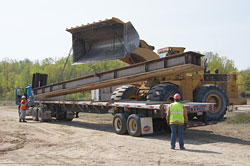
 Of all the ferrous metals, steel is one of the most recycled materials in the world. This is because it can be found almost anywhere from furniture to office items to construction materials. Considering this, excess steel scraps are not hard to come by. That's why we offer steel recycling services to make sure you have a place to bring your extra steel items and parts, where they can be put to good use.
Steel is one of the most commonly used metals in the world today. Consisting of mainly iron and approximately 0.2% to 1.5% carbon, it's malleable yet strong properties have made it the ideal metal for many applications.
In 1856, Sir Henry Bessemer, a British metallurgist, was the first person to figure out a method of removing the excess carbon from molten iron to make steel. Too much carbon would make a metal too brittle and non-malleable (cast iron); too little carbon makes a metal just hard enough but not as strong as steel (wrought iron). The Bessemer process had a deficiency in that it did not remove the phosphorous present in the melt. Phosphorous makes steel brittle. Years later, researchers figured out a way in which phosphorous could be removed from the melt, thus achieving the desired properties for the steel we know today.
Steel has shaped our surroundings. Its uses range from automobiles to construction to appliances. Steel has truly changed the world we live in.
Choosing to recycle steel scraps and parts can be economically advantageous because the demand for them is consistently high; recycled steel is always needed by manufacturers and other industrialists to help create various products. Also, sourcing metal from steel scrap recycling centers is cheaper than mining iron ore to create new steel. By recycling with us, you can get rid of your excess steel scraps, provide usable materials for manufacturers, and earn extra cash all at the same time.
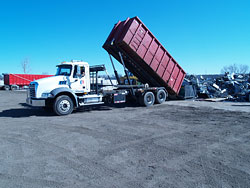
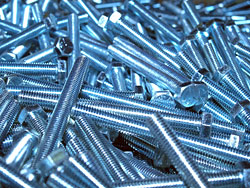
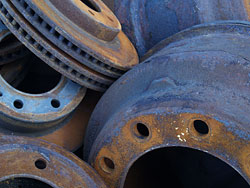
We recycle all types of Steel and Iron
-
Iron
-
Galvanized
-
#1 Heavy Melt
-
#2 Heavy Melt
-
#2 Bundles
-
Cast
-
Busheling
-
Punchings
-
Sheet
-
Engines
-
Transmissions
-
Rebar
-
Plate & Structural
-
Demolition Scrap
-
Appliances*
Wondering why stainless steel isn't listed? That's because stainless steel recycling differs from regular steel recycling processes. As such, we recommend that you separate one from the other when sending in your load for recycling.
In 2006, the steel industry recycled enough steel from old cars to produce nearly 13.5 million new ones.
To recycle with us, you can drop by one of our scrap steel recycling centers today. If you've got too much than you can handle, call us up or click here to schedule a pickup. We provide full-service trucking for eligible loads.
*Elgin Recycling cannot accept any small appliance that contain/ed refrigerant without qualifying proof of recovery verification.
Refrigerant Verification Form (english) Refrigerant Verification Form (spanish)
